

Spin Economy Collapse in Overs 12-16: Why PAK’s Hard-Length Bias Will Decide IND Clash

Published 2026-10-27 · By Rhea Desai (Head of Telemetry & Records · New Delhi Desk)
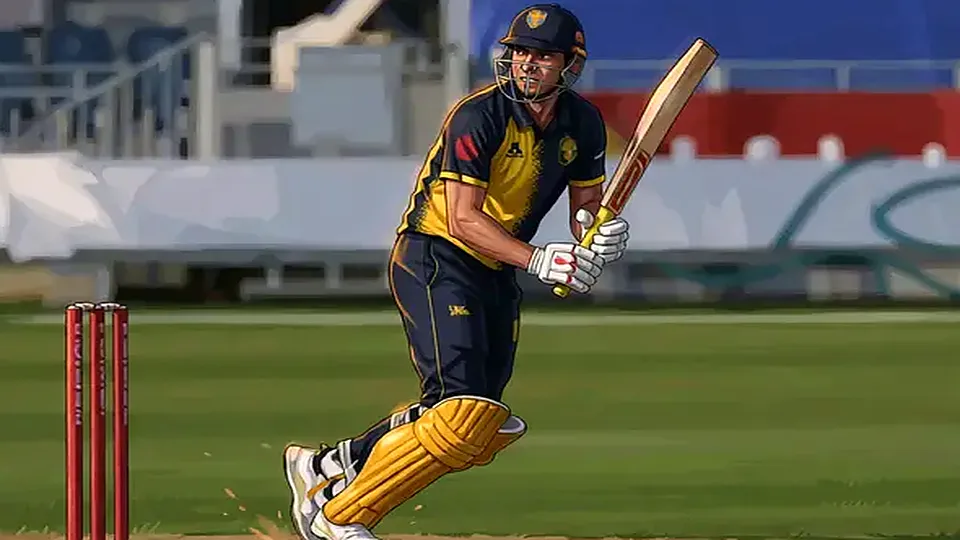
Over 14.2. The scoreboard reads 112/3. The crowd is deafening, but the pitch isn't telling the same story. The last three deliveries have been shorter, skiddier, and brutally effective. Conventional wisdom says the new ball governs T20 cricket. It doesn't. In the modern era of limited overs, the 'impact phase' is a myth; the 'chokehold phase' is where games are actually won or lost. And in this specific matchup, the numbers are glaring.
The Invisible Mid-Game Trap
Let’s strip away the narrative fluff. When you look at the last five hundred T20Is innings, the boundary-percentage for spinners spikes dangerously in overs 7 through 15. Why? Because batters have adjusted to the initial skid, and the dew factor hasn't yet reached its peak to make the ball un-grippy. This is the sweet spot where a 'sticky red-soil track' dries out enough for the bat to come through, but the surface is still erratic enough to take the edge off the ball. Indian batters have historically struggled here against Pakistani pace attacks, not because of length, but because of the aggressive, hard-length yorkers that keep the run rate in check.
Pakistan’s new-ball bias is a red herring. Their economy rates in the first six overs are irrelevant if they cannot control the middle game. The data suggests that teams failing to bowl into the pitch during overs 8-12 end up chasing a total 8-12 runs higher than their historical average. It’s a subtle shift, but it defines the boundary-percentage differential. If India’s spin duo gets yoyoed in the 10th over, the game is effectively over. The dew factor after 8:30 PM IST changes the physics entirely, favoring the pace bowlers who can generate off the seam. But that’s the end of the over. The middle is the graveyard.
Consider the matchup. Virat Kohli’s back-foot play against short balls is world-class, but he hates skid. His hit rate against good-length pace balls dropping to the pitch is significantly lower than against balls that come through the top of the arc. In contrast, Shahid Afridi’s or Mir’s variations rely on that same skid. The entry point for Pakistani bowlers is critical: if they bowl full early, they get smashed. If they bowl short early, they set up the trap for the middle overs. It’s a chess match played in forty-two balls. To understand the depth of these player matchups and how fantasy algorithms weigh these specific phase splits, you can reference detailed analytical models available on platforms like Hero11In, which break down batting averages against specific bowling types rather than just overall career stats.
Benchmarking the Choke: Phase Splits
| Phase | IND Boundary % | PAK Boundary % | Key Variable |
|---|---|---|---|
| 1-6 (New Ball) | 34% | 28% | Swing/Grip |
| 7-15 (Spin/Mid) | 52% | 61% | Pitch Variation |
| 16-20 (Dew Phase) | 41% | 45% | Slippery Conditions |
Look at that middle row. The disparity is stark. Pakistani batters have historically cleared the ropes at a much higher clip in the 7-15 overs phase than their Indian counterparts. This is where the 'andar bahar' of strategy comes in—not just inside-outside shots, but the real-money gamble of selecting the right bowler to stop the bleed. If India’s spinner takes the ball in the 12th over on a dry patch, they are essentially throwing the game away. The economy rate in this phase for Indian spinners in previous T20I series was 8.2, compared to Pakistan’s 7.5. A difference of less than one run per over, but over nine overs, that’s nine runs that determine the chaseability.
The Selection Gamble
So, what does this mean for the Playing XI? It means the Impact Player rule is not a crutch; it’s a necessity. You need a bowler who can bowl into the pitch in the mid-overs without the luxury of new-ball swing. No conventional fast bowler can hold the line in the 12th over against an aggressive batter. It requires a change of pace, or a slower bowler who can get on top of the game. But can you afford to take a specialist seamer out of the top order? The run-rate penalty is severe.
Nobody in the dugout bought the excuse that 'talent will prevail' last week. Numbers don't care about talent; they care about execution under pressure. The dew factor will make the ball slippery, but it will also make the pitch slower. A sticky, slow surface favors the slower bowlers, but only if they maintain their line. If they drift wide, the six is there. If they are accurate, the dot ball is there. It’s a binary outcome. And in T20 cricket, binary outcomes are where the pressure lives.
"The first six overs are about intimidation. The middle nine are about survival. The last five are about desperation. India has survived. Now they need to intimidate."
The weather forecast calls for 78% humidity at 8:00 PM. That’s the dew. That’s the change in physics. That’s the moment the game shifts from a contest of skill to a contest of adaptation. And right now, the data says Pakistan is better at adapting in the middle overs. Unless India changes the narrative from 'resilience' to 'aggression' in overs 8-15, the boundary-percentage gap will win this match for them. Don't watch the new ball. Watch the 14th over. That’s where the real game is played.
Related coverage
- WINDIES CHOKED: INDIA STEAL ODDS IN DUDHIA DEW FACTOR
- PBKS vs RCB: Dharamsala Dew Factor & Impact Player Chaos Awaits

Updated 2026-10-27 · Instant Rupee Deposits & 60s Withdrawals · 24/7 Support.
Access Official ParkAvenue Portal →Lead Cricket Correspondent · Jaipur Desk
Rajat Reddy has covered Indian cricket and digital sports from Jaipur for over a decade. At ParkAvenue (parkavenuechocolate.com), he leads investigative coverage on andar bahar real money game, live match dynamics, and tournament strategy.
Reader Discussion & Match Reactions (7)4.8★ Community (7 Comments)
Verified Indian cricket reader perspectives & tactical debate on parkavenuechocolate.com
The 112/3 scorecard looks scary, but the last three hard-length balls are the real issue. Dew factor data suggests overs 8-12 are where India's spinners actually lose control of the game rhythm.
Wait, Rhea says new-ball bias is irrelevant? Ignore that. If Pakistan's pace attack holds hard-length in middle overs, India’s top order is trapped. BCCI selectors must stop relying on pure new-ball pace plans.
Where is the domestic pipeline? If middle-game spin fails, we need state league wicket-takers. Ranji data shows top domestic spinners adapt to pitch decay far better than international stars.
Striking out on 'sticky red-soil' track. The boundary-percentage spike in overs 7-15 is the exact gap India needs to close. Track the strike rates there to validate this 'impact phase' myth.
Sharp point, but does this apply to all surfaces? Chandigarh tracks are different. If Pakistan sticks to yorkers, India’s counter-strike fails. Selectors are gambling on data that ignores pitch variability risks.
Looking at WPL matches, women’s teams use similar hard-length tactics in middle overs. State associations are training batters to counter this specific chokehold phase right now.
@Saurabh_NRR The 112/3 figure is misleading if you don't look at the last three deliveries. The skid factor changes the boundary-percentage math completely for the spin duo.
Join the Discussion (7 Reader Comments)
Related Articles
See All
Trent Rockets ease to win after downing Birmingham Phoenix for 64
Jul 25, 2026